1. Water Conservation: Hydroponic Supplies in Australia use significantly less water compared to traditional soil-based agriculture. In hydroponics, water is recirculated within the system, minimizing wastage. Techniques such as nutrient film technique (NFT) and deep water culture (DWC) require only a fraction of the water used in conventional farming.
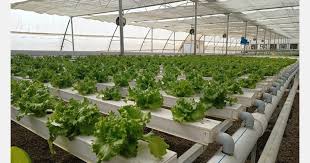
2. Nutrient Efficiency: Hydroponic systems allow precise control over nutrient delivery, ensuring that plants receive the right amount of nutrients at the right time. This reduces nutrient runoff and minimizes the pollution of nearby water bodies.
3. Land Utilization: Hydroponics enables vertical and indoor farming, allowing crops to be grown in spaces that would be unsuitable or unused for traditional agriculture. This vertical approach maximizes land utilization and can be especially beneficial in urban areas with limited space.
4. Reduced Pesticide Use: Controlled environments in hydroponics help reduce the need for pesticides and herbicides. Closed systems with proper monitoring make it harder for pests to establish themselves, leading to healthier plants without the use of harsh chemicals.
5. Energy Efficiency: While hydroponics requires energy for lighting and environmental control, modern technologies such as LED grow lights and energy-efficient climate control systems have minimized the overall energy consumption in indoor hydroponic setups.
6. Climate Adaptation: Hydroponics provides a level of climate control that traditional agriculture cannot achieve. This makes it possible to grow crops in locations with extreme climates, mitigating the risks associated with changing weather patterns.
7. Year-Round Production: Controlled environments allow for year-round crop production, reducing the reliance on seasonal and weather-dependent growing periods.
8. Food Security: Hydroponics can contribute to food security by providing a consistent supply of fresh produce locally, reducing dependence on long-distance transportation.
9. Soil Health Preservation: By eliminating the need for soil, hydroponics helps prevent soil degradation and erosion, preserving this vital resource for other ecological functions.
10. Research and Innovation: The pursuit of hydroponic techniques has led to innovations in plant science, nutrient formulation, and technology. This research contributes to advancements in agriculture as a whole.
11. Reduced Food Waste: By enabling precise control over growing conditions, hydroponics can lead to higher crop yields and reduced post-harvest losses, contributing to the reduction of food waste.
12. Sustainable Urban Agriculture: Hydroponics plays a key role in the development of urban agriculture, bringing fresh produce closer to urban populations and reducing the carbon footprint associated with long transportation routes.
13. Integration with Renewable Energy: Hydroponic systems can be integrated with renewable energy sources, such as solar or wind power, further reducing their environmental impact.
Overall, hydroponic supplies and techniques offer a promising path toward a more sustainable and resource-efficient agricultural future. As technology continues to advance and more research is conducted, hydroponics is likely to play an even larger role in addressing the challenges of food production in a rapidly changing world.
Leave a Reply