Introduction
Mold is a common household issue that can have detrimental effects on both your home and health. When left unaddressed, mold can cause structural damage, trigger allergies, and contribute to respiratory problems. In this comprehensive guide, we will unmask the secrets of mold and provide you with valuable insights and strategies for effective mold remediation. By understanding the nature of mold and implementing the right techniques, you can protect your home and ensure the well-being of your family. If you’re concerned about mold infestation, it’s essential to check out the exceptional mold removal South Tampa to ensure a thorough and safe elimination of mold from your property.
Understanding Mold
What is Mold?
Mold is a type of fungus that thrives in damp and humid conditions. It reproduces by releasing spores into the air, which can easily spread and settle in various areas of your home. Mold growth is typically fueled by moisture, organic materials, and lack of proper ventilation.
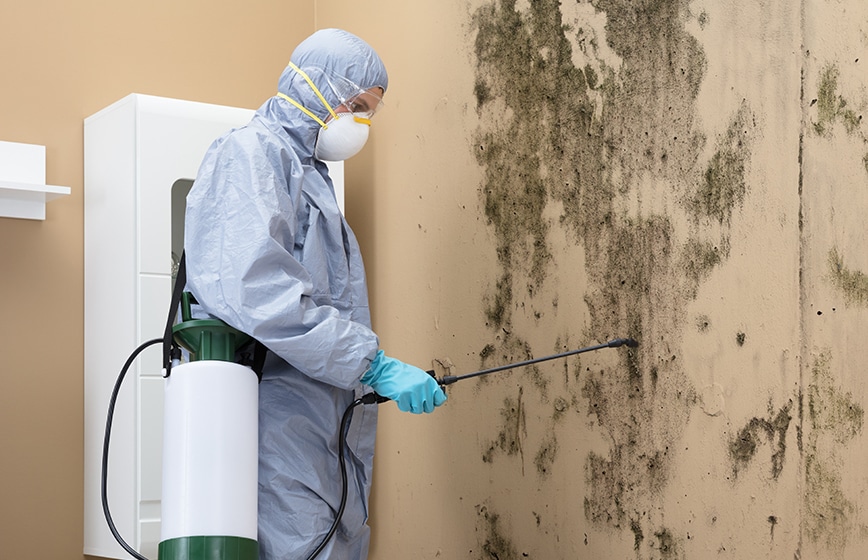
Common Types of Household Mold
There are various types of mold commonly found in homes, including:
- Cladosporium: This type of mold can grow on fabrics, carpets, and wooden surfaces. It appears as black or green spots and is a common allergen.
- Aspergillus: Aspergillus can be found in warm and damp environments. It may have various colors and can cause respiratory issues and allergies.
- Stachybotrys chartarum: Also known as black mold, it is commonly associated with water damage and high humidity. Black mold can cause severe health problems and should be addressed promptly.
The Impact of Mold on Health
Allergic Reactions
For individuals with allergies or sensitivities, exposure to mold can trigger a range of symptoms, including sneezing, coughing, itchy eyes, and skin irritation.
Respiratory Issues
Mold spores can be inhaled and cause respiratory problems such as coughing, wheezing, and asthma attacks. Prolonged exposure to mold may lead to more serious respiratory conditions.
Toxic Effects
Certain types of mold, such as black mold, produce mycotoxins that can have toxic effects on human health. Prolonged exposure to mycotoxins can lead to neurological symptoms, fatigue, and other severe health issues.
Effective Mold Remediation Strategies
Step 1: Identify and Address the Source of Moisture
To effectively remediate mold, it is crucial to identify and eliminate the source of moisture that is promoting its growth. Repair leaks, improve ventilation, and address any water intrusion issues to prevent future mold problems.
Step 2: Assess the Extent of Mold Infestation
Thoroughly inspect your home to determine the extent of mold infestation. Identify visible mold growth as well as hidden areas where mold might be lurking, such as behind walls, under flooring, or in air ducts. This assessment will help you develop a comprehensive remediation plan.
Step 3: Containment and Protection
Containment is essential to prevent the spread of mold spores during the remediation process. Seal off the affected area using plastic sheeting and create a containment zone. Use air scrubbers and negative air pressure machines to maintain a controlled environment and prevent cross-contamination.
Step 4: Safe Removal of Mold-Infested Materials
Carefully remove and dispose of materials that are heavily infested with mold, such as drywall, carpeting, or insulation. Double-bag the mold-infested materials in sealed plastic bags to prevent the release of spores. Follow proper disposal guidelines and regulations.
Step 5: Thorough Cleaning and Disinfection
Clean all surfaces in the affected area using appropriate mold-specific cleaners or a mixture of detergent and water. Scrub the surfaces thoroughly to remove mold residue. After cleaning, apply a disinfectant to kill any remaining mold spores and inhibit future growth.
Step 6: Drying and Dehumidification
Proper drying is crucial to prevent mold regrowth. Use dehumidifiers, fans, and ensure adequate ventilation to eliminate excess moisture from the air and surfaces. Monitor humidity levels and maintain them below 60% to discourage mold growth.
Step 7: Monitoring and Prevention
Even after successful mold remediation, it’s important to monitor your home for any signs of mold recurrence. Keep an eye out for musty odors, water stains, or any indications of moisture problems. Promptly address any issues to prevent mold from reestablishing.
Professional Mold Remediation Services
In some cases, mold infestations can be extensive or pose health risks that require professional intervention. Engaging the services of experienced mold remediation professionals can ensure a thorough assessment, effective remediation, and the use of advanced techniques to mitigate mold-related issues.
Conclusion
Mold remediation is a critical process for safeguarding your home and protecting the health of your family. By understanding the nature of mold, its impact on health, and implementing effective strategies for remediation, you can successfully eliminate mold and prevent its recurrence. Remember to address the source of moisture, properly contain and remove mold-infested materials, and thoroughly clean and dry the affected areas. If needed, seek professional assistance to ensure comprehensive and successful mold remediation.
Leave a Reply